What Is A Resonator?
Discover the role of a resonator in your vehicle's exhaust system. Learn how it modulates engine noise and ensures optimal performance.

When you shop through retailer links on our site, we may earn affiliate commissions. Learn more
Your car's engine roars with power as you navigate through your daily routine. Amidst this symphony of mechanical energy lies a crucial component often overlooked by drivers: the resonator. What does a resonator do on a car, and why does it matter? Understanding its function reveals the intricate dance of sound modulation within your vehicle's exhaust system.
Join us as we delve into the depths of this often-underappreciated device, exploring its purpose, mechanics, and significance in the realm of automotive performance.
IN THIS ARTICLE
What's The Role Of A Resonator In A Car?How Does A Resonator Work?
Does My Car Have A Resonator?
Does My Exhaust Need A Resonator?
Expert Tips For Determining When To Replace Your Resonator
Tips For Exhaust Resonator Safety
FAQs
Final Thoughts
What's The Role Of A Resonator In A Car?
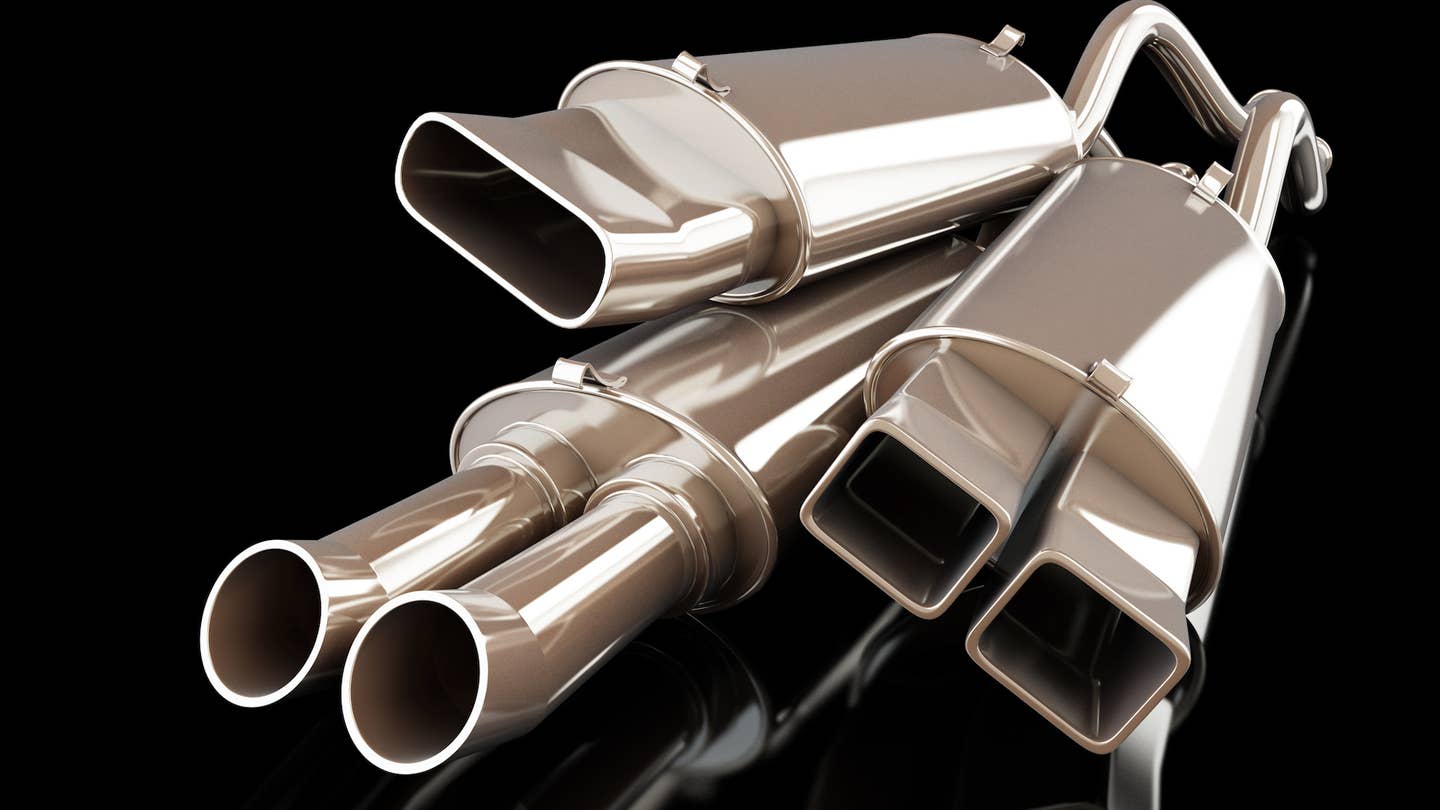
Your car's engine generates significant noise during operation, which resonators help modulate. They act as echo chambers, making the exhaust sound more manageable by the muffler. Essentially, they tune sound frequencies to soften harsh tones, ensuring the engine's power can be harnessed without causing excessive noise that might startle passersby.
How Does A Resonator Work?
Resonators function as sound frequency tuners, reducing the intensity of sound in the exhaust system. They mitigate high-frequency sounds, creating a more pleasant exhaust tone. By bouncing sound waves around their chamber, resonators alter or cancel out certain tones before they reach the muffler, thus maintaining the intended vehicle-specific sound performance.
Does My Car Have A Resonator?
Not all vehicles come with factory-installed resonators; some only have mufflers, while others have both. Together, they keep the exhaust noise within acceptable limits without sacrificing performance. If your vehicle does have a resonator, it's crucial to replace it if it wears out or gets damaged. A properly functioning resonator is essential for your exhaust system to effectively reduce engine noise and maintain performance.
Does My Exhaust Need A Resonator?
In most cases, yes. A resonator helps control the noise from your vehicle's exhaust system, preventing it from being too loud. While your vehicle can run without one, it's not recommended as it may trigger the check engine light or other issues. Also, it could cause your vehicle to fail emissions inspections without it.

Expert Tips For Determining When To Replace Your Resonator
Some aim for an exhaust note that rattles kitchen cabinets at every cold start, while others simply seek to maintain or inspect their vehicle. To spot potential issues with your car's resonator, familiarize yourself with its usual sound profile. As a rule of thumb, have your resonator checked or replaced if:
- Performance Decline: You start noticing a dip in your vehicle's performance and fuel efficiency.
- The Check Engine Light Illuminates: This could range from a loose gas cap to a full-blown engine catastrophe, but it's a good sign that something's amiss.
- Strange Noises: A faulty resonator can alter your car's sound noticeably.
- Engine Issues: If your car stalls or refuses to start, it's a good idea to check the resonator, particularly if other problems are present.
- Unusual smells: A malfunctioning resonator might leak, emitting unpleasant and potentially harmful fumes.
Tips For Exhaust Resonator Safety
While you'll probably opt for professional exhaust repairs, if you're considering a DIY approach, remember these key points:
- Ensure you work in a well-ventilated area to prevent the accumulation of exhaust gases in your garage or workspace.
- Be aware that components under your car will be hot after prolonged operation.
- Opt to replace your exhaust resonator rather than installing straight pipes or other "performance" modifications. Such alterations can make your vehicle significantly louder, but few will find them impressive.
- Take any unusual sounds, smells, or performance issues seriously. Although unlikely to cause catastrophic failure, neglecting maintenance can lead to inconvenient vehicle problems during your commute.

FAQs
What's a resonator's sound function?
A resonator, in tandem with the muffler, tones down high-pitched noises in the exhaust, smoothing the sound without altering volume by targeting specific frequencies.
Can a muffler swap out a resonator?
Many aftermarket exhausts use both to enhance sound quality. You can remove a factory resonator if you replace it with equal-length piping to maintain exhaust flow.
What's a resonator's role in music?
In music, resonators generate or select specific frequencies. Acoustic resonators in instruments create distinct tones, shaping their unique sound.
Final Thoughts
As we wrap up our exploration of resonators, it's evident that these unassuming devices play a crucial role in shaping the auditory experience of driving. From modulating engine sounds to maintaining performance, resonators are the unsung heroes of automotive acoustics. So, next time you start your engine, spare a thought for the resonator quietly at work beneath your car, ensuring a harmonious blend of power and sound.
Click on the following link to read another blog post: How To Apply A Ceramic Coating To Your Car?