What is a Chassis?
A chassis is the structural backbone of every vehicle. Covers the main types, what each does, and how chassis design affects handling and safety.

When you shop through retailer links on our site, we may earn affiliate commissions. Learn more
Within the expansive and intricate realm of automobiles, numerous terms often escape the notice of casual enthusiasts. One such term of considerable significance, yet not always completely comprehended, is the "chassis." To grasp the significance of the chassis in the automotive sector, let's delve into the concept.
Defining Chassis
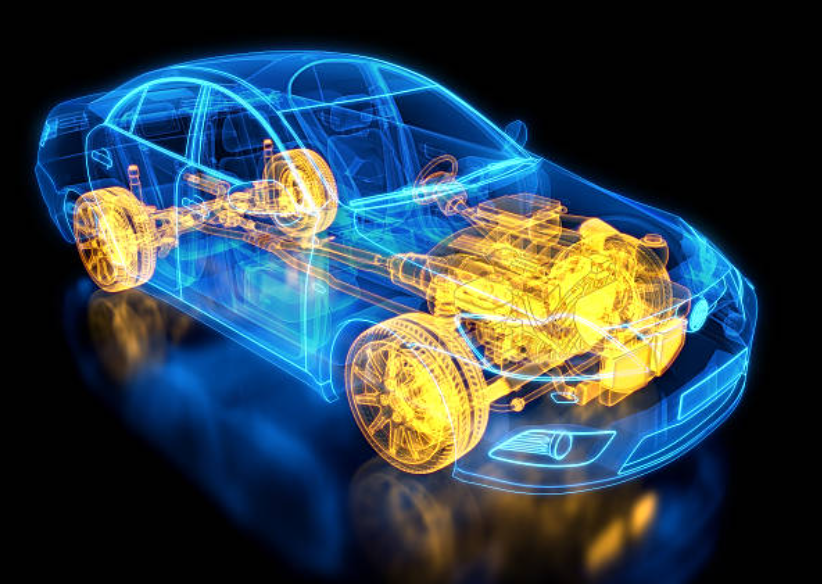
Simply put, the chassis serves as the primary framework of a vehicle, providing the foundational support that unifies all its elements. This vital structure establishes the framework for various components in the car, including the engine, transmission, driveshaft, differential, and suspension. Essentially, the chassis acts as the vehicle's skeleton, imparting both its fundamental form and strength.
Types of Chassis
A foundational comprehension of the diverse chassis types is crucial for gaining a comprehensive insight into the inherent versatility of the automotive industry. Various chassis designs, including ladder frames, monocoque structures, and space frames, present distinct advantages tailored to specific applications and vehicle classifications.
Ladder frames, renowned for their robust and straightforward construction, find common usage in trucks and off-road vehicles, providing exceptional durability and load-carrying capabilities. In contrast, monocoque structures seamlessly integrate the chassis and body into a unified unit, elevating overall rigidity and reducing weight a frequently observed characteristic in modern cars. Space frames, characterized by their lightweight and modular design, are widespread in high-performance and racing vehicles.
Importance of a Chassis
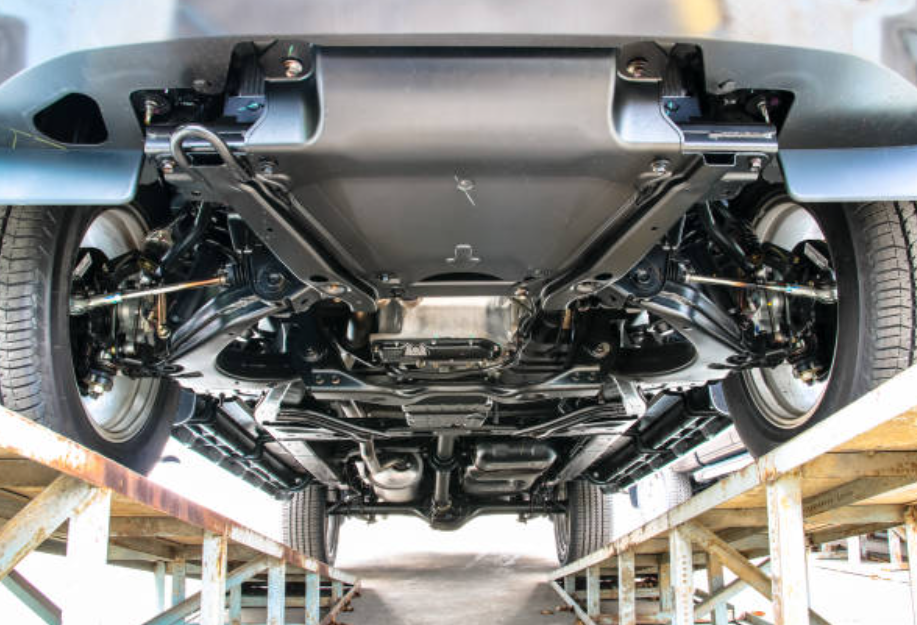
The chassis assumes a pivotal role in determining the comprehensive performance and safety of a vehicle. It shoulders the weight and stress endured by the car in motion, guaranteeing stability and control. The configuration and build of the chassis wield considerable influence over the car's handling attributes.
Moreover, in the event of a collision, the chassis is designed to absorb the impact, acting as a protective shield for the occupants within the vehicle. As a result, the chassis not only contributes to the operational efficiency of the vehicle but also plays a vital role in fortifying its safety features.
FAQs
-
What are the different types of chassis?
Ladder, tubular, backbone, and monocoque (unibody) chassis are examples of common chassis types. Every variety has unique applications and design elements.
-
Is there a difference between frame and chassis?
Certainly, a distinction exists between the two. The frame constitutes a component of the chassis, specifically referring to the structural framework. In contrast, the chassis encompasses the complete framework and integrates other components into its structure.
Read more review here: The 10 Best Duct Tapes For Your Everyday Needs
Can a damaged chassis be repaired, or does it need replacement?
Minor chassis damage like small bends can often be repaired using specialized equipment and welding. However, severe structural damage typically requires replacement of affected sections. A mechanic should assess the damage to determine repairability, as safety is critical.
How does chassis design affect a vehicle's handling and performance?
Chassis design directly impacts weight distribution, suspension geometry, and structural rigidity—all crucial for handling. A stiffer chassis reduces body flex, improving cornering stability. Lower weight improves acceleration and braking. Engineers balance these factors based on the vehicle's intended purpose.
What maintenance should I do to keep my chassis healthy?
Regularly inspect underneath for rust, corrosion, and damage. Keep drainage holes clear to prevent water buildup. Address rust spots promptly with protective coatings. Have suspension components checked, as they attach to the chassis and wear over time.
Why do some vehicles rust faster in the chassis than others?
Rust depends on materials, protective coatings, climate, and road salt exposure. Vehicles in humid or snowy regions rust faster. Manufacturing quality and undercoating application vary by manufacturer. Regular washing and waxing help protect the chassis from corrosive elements.